Conveyor Metal Detector (Tunnel)
For packaged goods and bulk products on belts. Configure reject devices and optional checkweigher integration.
- For belt-line production
- Reject device options
- Layout guidance available
Core Keyword Focus: Food Conveyor Metal Detector
Conveyor (tunnel) metal detector systems designed to detect ferrous, non-ferrous, and stainless steel contaminants — with hygienic configuration options and validation-friendly workflows for production sites.
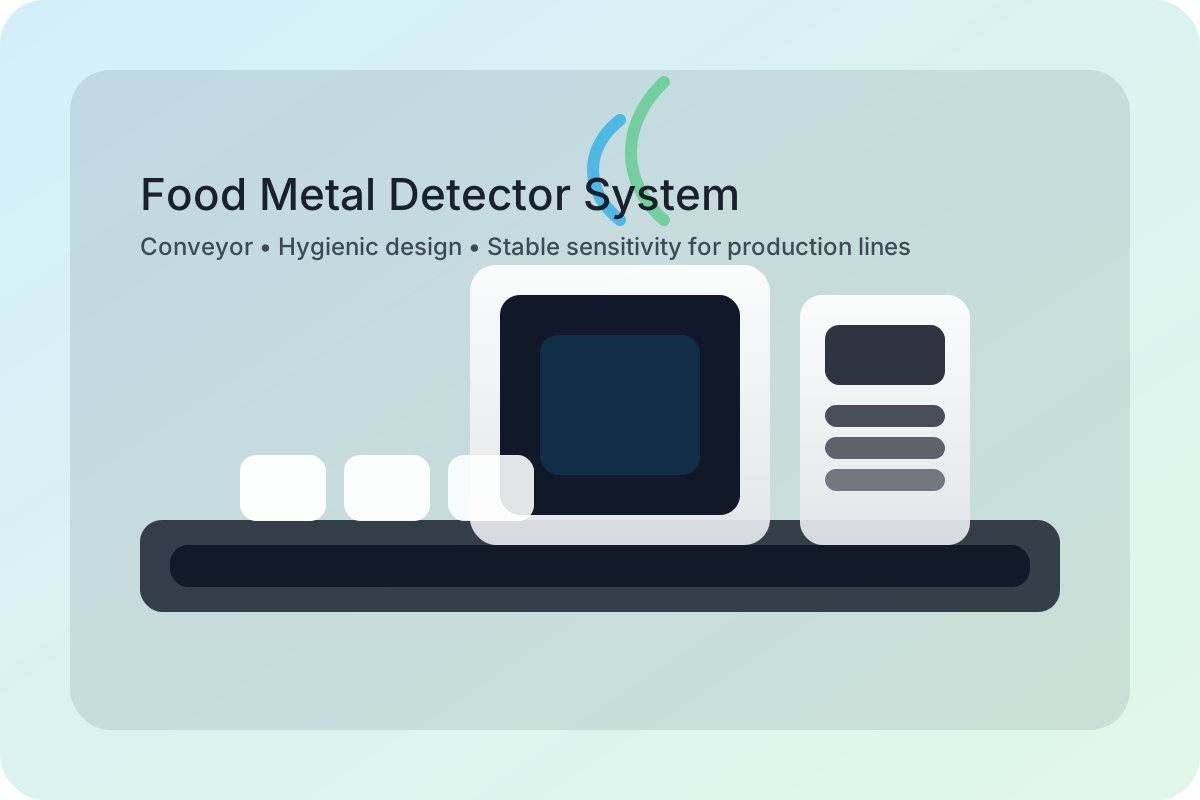
Designed for packaged goods, trays, pouches, cartons and bulk products on belts. Correct tunnel size and stable installation help reduce false rejects while maintaining performance.
For packaged goods and bulk products on belts. Configure reject devices and optional checkweigher integration.
Choose a reject method based on product type, line speed and verification needs to keep stable throughput.
Food lines require reliable sealing and fast cleaning. We offer washdown-ready configurations where needed.
Share your product + line details and we’ll recommend the best conveyor tunnel configuration.
| Key Item | Best Practice | Notes |
|---|---|---|
| Opening / Tunnel Size | Match product width & height with safe clearance | Smaller opening generally improves sensitivity |
| Reject Method | Choose by pack type & line speed | Reject confirmation affects uptime and verification |
| Product Effect | Plan sensitivity using real product samples | Wet/salty products can increase false rejects |
Sensitivity depends on tunnel size and product effect. Share your target test piece requirement and product details—we’ll estimate a realistic achievable range and recommend the right configuration.
Send Details for RecommendationProvide your parameters for an exact configuration. The table below helps procurement and engineering teams align requirements.
| Item | Typical Options | What You Provide |
|---|---|---|
| Detection metals | Ferrous / Non-ferrous / Stainless steel | Target sensitivity requirement (test piece) |
| System type | Conveyor metal detector (tunnel) | Product + packaging style |
| Opening size | Custom (tunnel/aperture) | Belt width & product height |
| Line speed | Matched to throughput | Packs/min and belt speed |
| Reject method | Pusher / Air blast / Drop flap / Diverter | Preferred method + space constraints |
| Environment | Dry / Washdown configurations | IP requirement and cleaning routine |
| Records / access | HMI + optional event logs | Audit requirements (if any) |
| Integration | Optional checkweigher / conveyors | Need combined station or standalone |
Product + packaging | Tunnel size | Speed | Target sensitivity | Washdown/IP | Reject method
Many food sites run routine tests and documented corrective actions. We support your validation planning with practical guidance.
Define test frequency and certified test pieces. Confirm reject function and record results per SOP.
Wet/salty products may increase product effect. Configuration and stable installation help reduce downtime.
Where required, event logs and access controls can support traceability and accountability workflows.
Note: Final compliance depends on your configuration and local regulations. This page provides general guidance for planning.
Common use cases where conveyor metal detection helps reduce recall risk and supports quality programs.
We prioritize stability at line speed, clear reject behavior, and configuration matched to your products.
Food lines require reliable sealing and fast cleaning. We offer washdown-ready configurations and cleaning-oriented designs.
Answers for procurement and engineering teams.
Share your product and line details. We’ll recommend the best food conveyor metal detector configuration.
Contact person: Suri Yang
Email: pomelo@torzn.net
Phone: +86 133 8168 3307
Practical configuration support for food production sites. Fast response for B2B inquiries.
Typical reply within 24 hours for inquiry submissions.
Note: Specifications and compliance needs vary by product and site requirements. Share your line details for accurate configuration guidance.